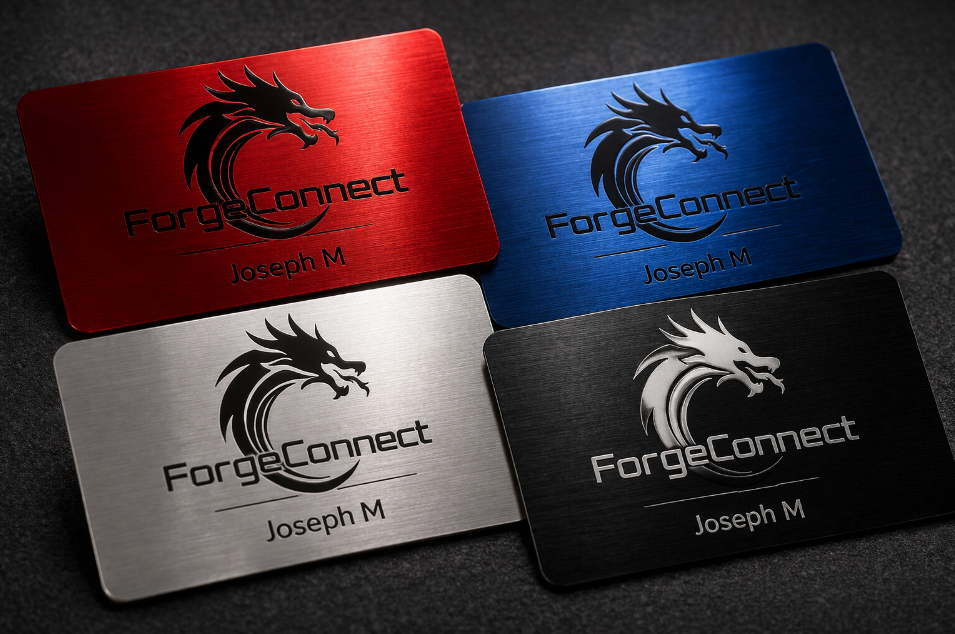
The debate between metal business cards and paper business cards comes down to one question: what do you want your card to do after you hand it over? If the answer is just hold your contact details, paper works. If the answer is create a lasting impression, drive follow-up, and represent your brand at a premium level, metal wins every time.
First Impressions: Metal vs Paper
Paper cards are expected. Metal cards are not. When you hand someone a stainless steel or gold-plated card, they react. They comment on it. They turn it over. That reaction is the beginning of a conversation that paper cannot start. In professional networking, the moment of exchange is your most valuable real estate, and a premium metal card makes that moment count.
Studies on material perception show that heavier, more substantial objects are associated with higher quality and greater trustworthiness. A metal card weighs significantly more than paper, and that difference registers immediately in the recipient's hand.
Durability and Longevity
Paper cards bend, fade, and tear. They survive weeks at best before ending up in a drawer or a recycling bin. A stainless steel card lasts years. It does not warp in a wallet or smudge when handled. Your brand looks the same on day one as it does on day five hundred.
For professionals who attend multiple events per year, this durability means consistent brand representation at every touchpoint. There is no worn-out version of your card floating around a prospect's desk.
Functionality: Where Metal Pulls Ahead
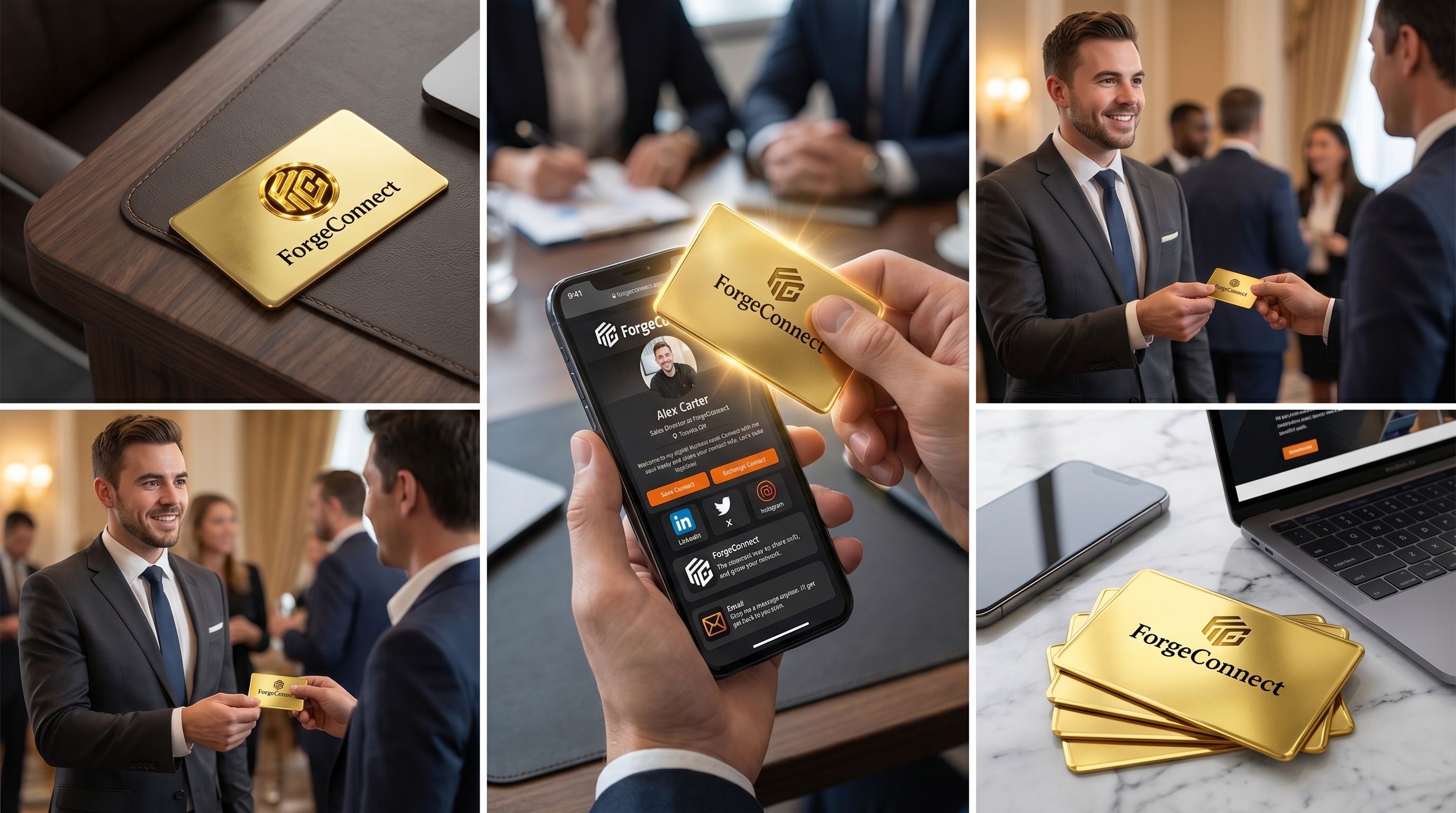
The biggest difference is not material. It is functionality. A metal NFC business card does things that paper physically cannot:
- Instant profile sharing with a single tap on any modern smartphone
- Lead capture that collects the other person's name, email, and phone number
- Real-time updates so your card never has outdated information
- CRM integration that pushes captured leads into your sales pipeline
Environmental Impact: The Sustainability Argument for Metal
Billions of paper business cards are printed every year. Most are discarded within days. That is a significant recurring waste stream that scales with business growth. A single metal card replaces thousands of paper reprints over its lifetime. For businesses with stated sustainability commitments, the switch from paper to NFC metal business cards is one of the easiest procurement decisions to defend.
What the Data Says About Card Retention
Industry data and internal analytics from platforms like ForgeConnect consistently show a dramatic retention gap. Paper cards are discarded within days by the majority of recipients. Metal cards are kept on desks, in wallets, or in display cases for months or years. That retention difference is what makes metal worth the higher upfront cost.
When Each Material Actually Makes Sense
The honest answer: both formats still have a place. Metal wins for client-facing professionals, luxury brands, and anyone whose first impression drives revenue. Paper still makes sense for mass distribution, throwaway promotions, and trade show giveaways where the card is not tied to a specific relationship. Most businesses end up with both: metal for primary relationships, paper for volume scenarios.
Related Reading
Filed under Industry Insights
All articles