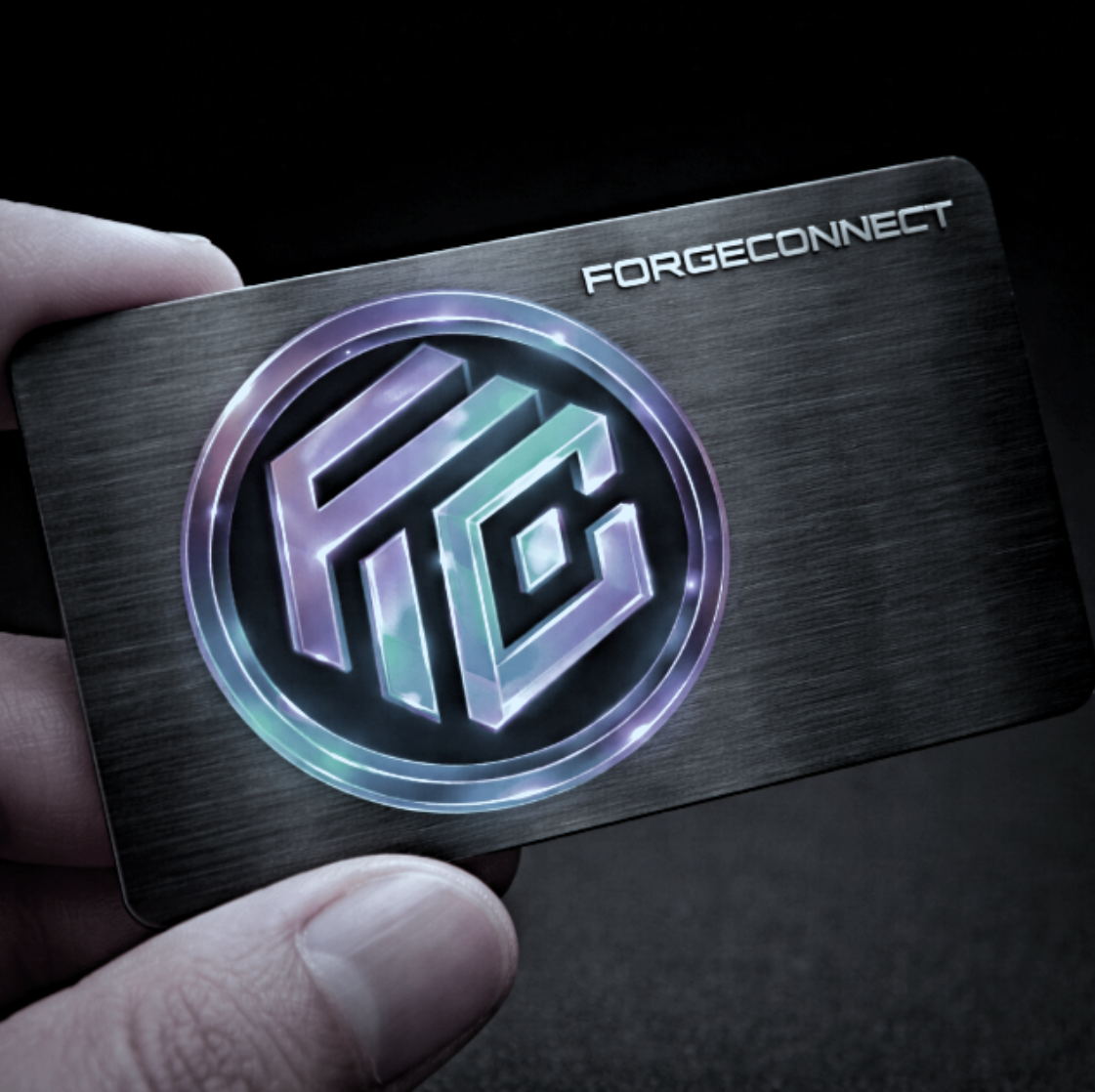
Lawyers understand gravitas better than anyone. A firm's reputation is built through small details — the weight of the letterhead, the care of the office, the handshake at a retainer meeting. The business card used to be part of that signal. Then it became a generic piece of cardstock everyone stopped noticing. In 2026, the professional standard for business cards for lawyers is shifting back toward something deliberate — and NFC metal is leading it.
Why the Cardstock Era Ended
Here is the uncomfortable truth: 88% of paper business cards handed out at bar association events end up in the trash within a week. A card that a paralegal spent a morning designing goes into a bin on Tuesday. The gap between how seriously a firm takes its brand and how its cards are treated in the wild has been widening for a decade. Metal closes that gap.

What Metal Signals in a Legal Context
Metal cards match the seriousness of legal work. The weight of the card signals the weight of the service. The finish — brushed stainless, matte black, laser-etched logo — reads as intentional, the way a firm's letterhead does. It is hard to hand someone a $0.04 piece of paper and also ask them to trust you with a bet-the-company lawsuit. The perceptual dissonance is real. A premium metal NFC card resolves it.
The Intake Problem
Most firms lose a significant share of prospective clients between first contact and actual retainer. The handoff is clunky: the prospect meets an attorney, takes a paper card, tries to remember to call the number the next week, and gets busy. That is a pipeline leak. NFC cards plug it. When a prospect taps, their contact is captured, a personalized intake email goes out, and the firm's scheduling system can offer a call slot within 24 hours. See how an automated outbound engine handles this kind of workflow end-to-end.
What a Lawyer's NFC Profile Should Contain
A solid profile includes:
- Name, title, bar admissions, and practice areas
- Direct line, email, and scheduling link
- Firm name, logo, and office location
- A brief intro statement consistent with advertising rules
- Save-to-contact and lead-capture prompt
Because the profile lives behind the tap, you can update any field from your phone. New practice area? Edit and save. New bar admission? Edit and save. No reprint, no downtime.
The Privacy and Bar-Rules Question
NFC platforms made for professionals store lead data securely and let you configure what shows up on the public profile. Compliance-sensitive fields can be gated. Lead-capture prompts can be shaped to meet solicitation rules in your jurisdiction. This is not a feature you can get out of paper — because paper never had any features to begin with. Learn how the ForgeConnect NFC platform supports professional services workflows.
The Referral Angle
Legal referrals drive a surprising share of firm revenue. A metal card gets passed around. "I have a great attorney, here is her card." The recipient taps it, sees a full profile, and can book a consultation the same day. Paper never supported that flow — once a card was handed off, the referral had to be retyped or re-searched, and most of the time it was not.
The Evidence Trail Nobody Mentions
NFC platforms log every tap. That is surprisingly useful for lawyers who want a clean record of when a prospect first engaged, which referral source drove them, and how many times they re-visited the profile before calling. It is the kind of data that turns marketing spend into measurable pipeline — which historically has been almost impossible in legal.
The Professional Standard
Paper cards are still around, but the standard has moved. The lawyers making partner, the litigators running national practices, and the in-house counsel sitting across from them are increasingly handing over metal cards with NFC chips. Not as a gimmick — as a signal that the person in front of them runs a serious, modern practice.
The Triple Advantage
Paper gets thrown away — a liability in any intake funnel. NFC captures every prospect at the moment of the tap, so nobody slips away. And metal cards stay in wallets, resurfacing months later when the prospect finally has the case they want to bring you. Those three things, together, are the real reason the standard has changed.
Related Reading
Filed under Industry Insights
All articles