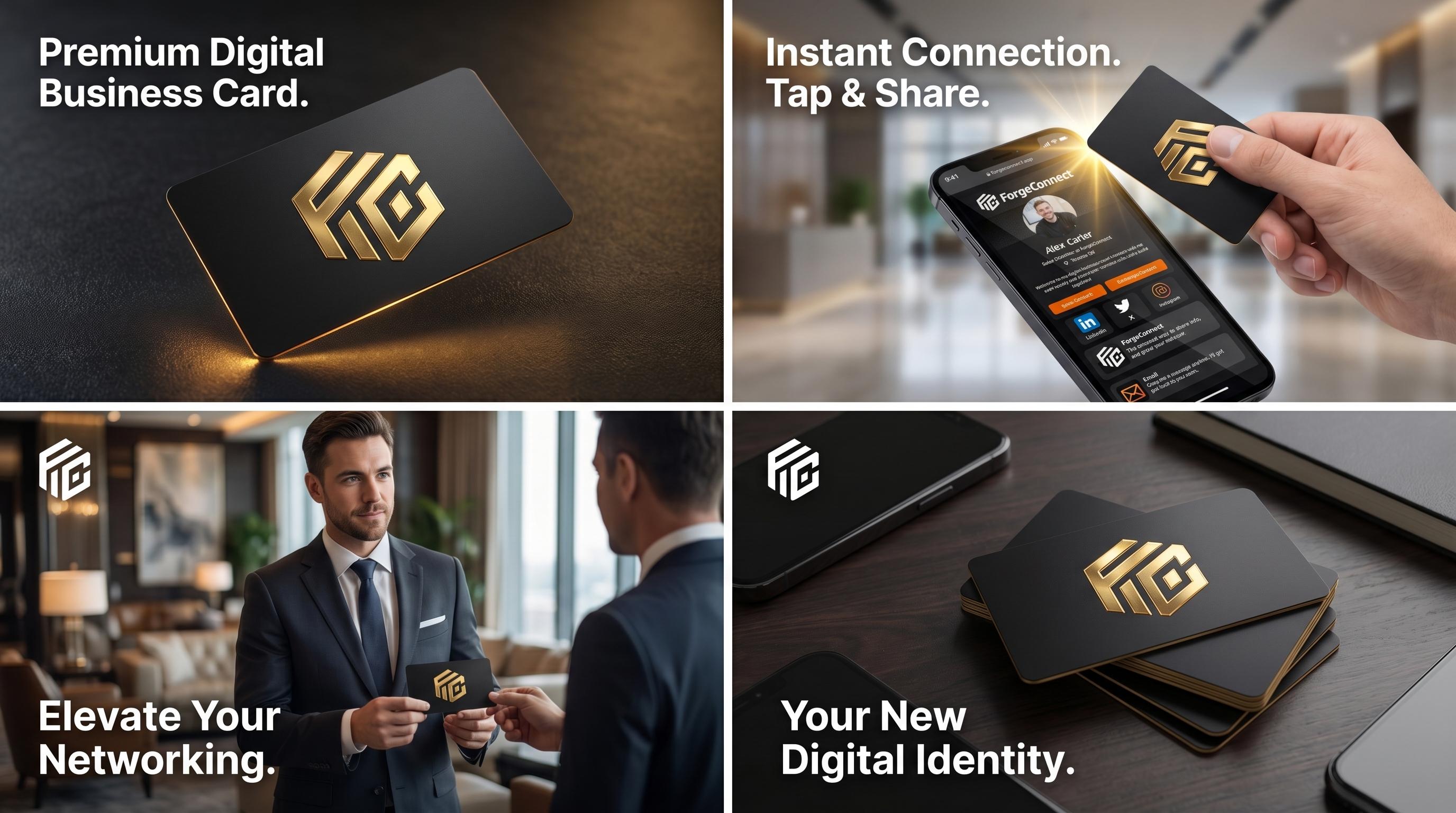
Paper business cards still get printed by the box, but most of them never survive the week. Roughly 88% end up in the trash within seven days of being handed out. If you are looking for a better way to share your contact in 2026, you have options — but only one of them actually earns its place in a stranger's wallet.
The 7 Real Business Card Alternatives
Here are the most popular alternatives people are reaching for this year:
- Email signatures — passive, easy to ignore, and only work if someone emails you first.
- LinkedIn profiles — great for finding people later, but adding a connection in person still takes 30 seconds and app-switching.
- QR code stickers — cheap, but still just a link with no lead capture, and the sticker wears out fast.
- Digital business card apps — nicer than QR, but usually require the recipient to install or open the sender's app.
- Airdrop / Nearby Share contact files — works between iPhones or Androids, but nothing cross-platform and no capture on your side.
- Printed QR postcards — a step up from standard paper, but same disposal problem: they still get thrown away.
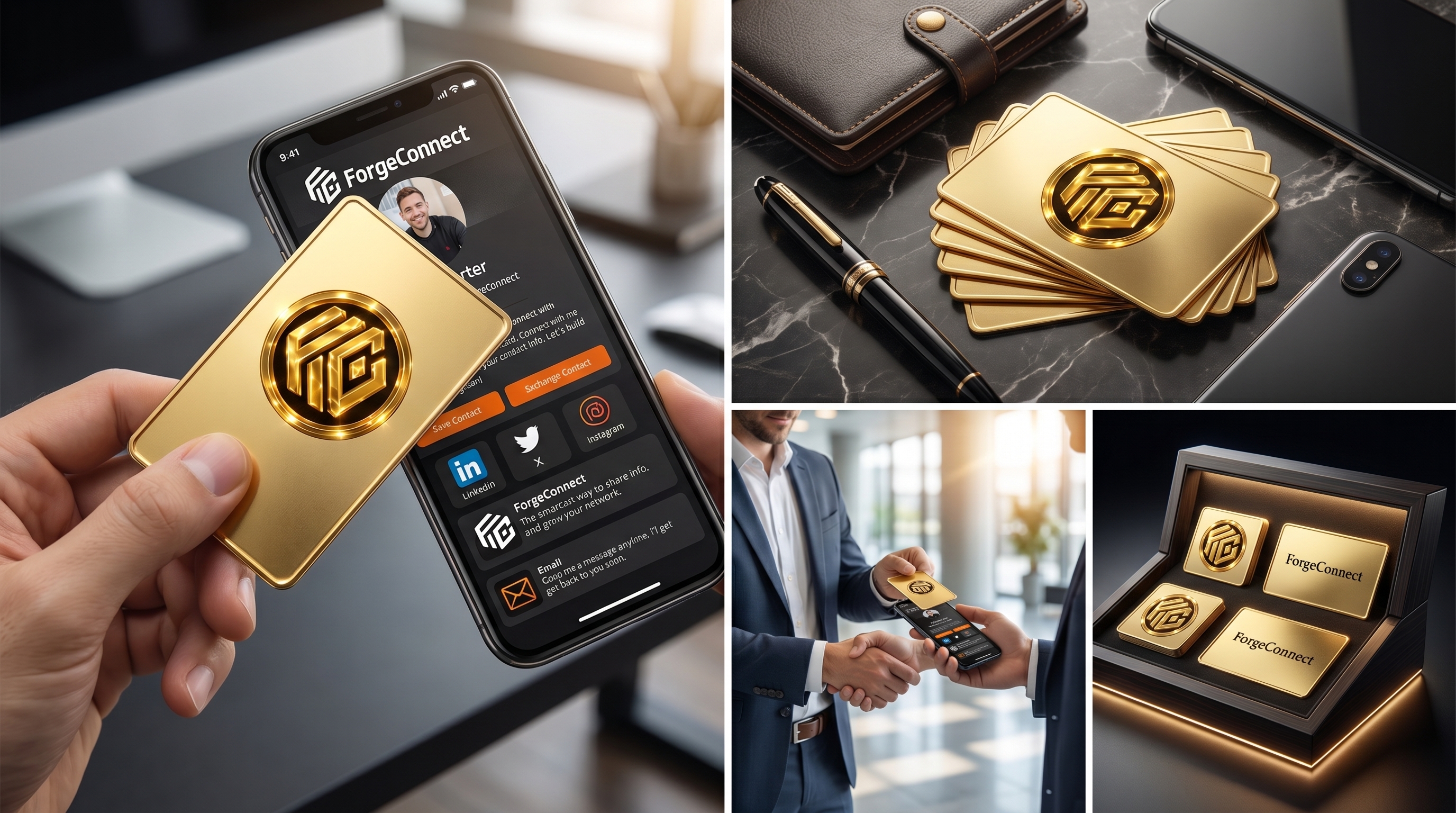
- NFC metal business cards — a tap shares your full profile, captures the recipient's contact into your CRM, and the card stays in their wallet for years.
What Actually Matters When You Pick an Alternative
The right business card alternative has to do three things: share your info reliably, capture the other person's info so you can follow up, and stick around long enough to matter. Most of the options above miss at least one. Email signatures never start the conversation. QR stickers are one-way. Digital apps assume the recipient is already on your platform.
Why NFC Metal Cards Are the Only Option That Hits All Three
An NFC metal business card doesn't force the recipient to install anything. They tap it, your profile opens in their browser, and they can save your contact in one click. Meanwhile, a lead-capture prompt gives them a two-second way to share their info back — and that lead drops into your CRM immediately. No retyping, no lost sticky notes, no hoping they follow up.
The physical card itself is the other half of the story. Metal doesn't tear, crease, or fade. It looks expensive, so people don't toss it. It lives in a wallet instead of a junk drawer, and it comes back out at bars, airports, and client meetings for years. Learn how the platform works end-to-end on the ForgeConnect NFC system page.
Cost Comparison Over 5 Years
Compare the 5-year cost of the most common alternatives:
- Paper cards: around $300 reprinted 6 to 10 times — and 88% thrown out.
- QR stickers: about $100, but no capture and they peel off.
- App-only digital cards: $60 to $200 in subscription fees with nothing to hand anyone.
- One NFC metal card: $30 to $130 once, editable forever.
The math is not close. When your card captures leads at the tap and never gets thrown out, the ROI is several orders of magnitude better.
The Quiet Third Benefit Most People Miss
A metal card is a conversation piece. It gets photographed. It gets passed around. It gets shown to a friend three months after the event you met at. That is free marketing you do not have to pay for because you invested in a tool that behaves like a brand asset instead of a disposable.
The Bottom Line
Paper cards die in a week. Email signatures are passive. Every tap of an NFC metal card, on the other hand, captures a lead into your CRM so you are not waiting for someone to contact you — you already have them. And because the card lives in wallets rather than wastebaskets, it keeps working for years after the initial handshake.
Related Reading
Filed under Industry Insights
All articles