What's Cheaper Than Buying Business Cards Forever?
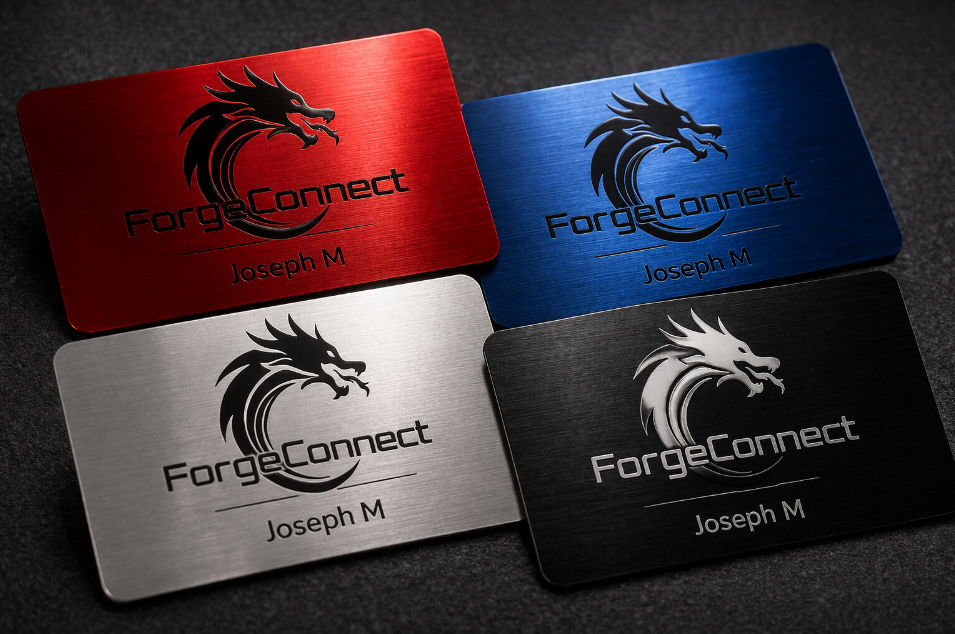
If your phone number changes, you reprint. If your title changes, you reprint. If your company rebrands, you reprint. If you run out, you reprint. Over a career, the average professional spends hundreds of dollars on paper cards that spend most of their existence in a recycling bin. There is a cheaper option — one you buy once and never buy again.
The Perpetual Reprint Trap
Most people underestimate how often paper cards need to be replaced. Here is a realistic breakdown over a typical 10-year career span:
- New job / new role: 3 to 5 reprints
- Phone number or email change: 2 reprints
- Company rebrand or merger: 1 to 2 reprints
- Running out at a conference: at least 3 reprints
- Bigger title, better job, new department: 2 reprints
That is 11 to 14 boxes over 10 years at $10 to $20 per box — easily $200 to $280 in sticker cost, plus shipping, plus design time, plus the psychological cost of waiting for them to arrive right when you need them.
What Costs Less Than That Forever-Loop?
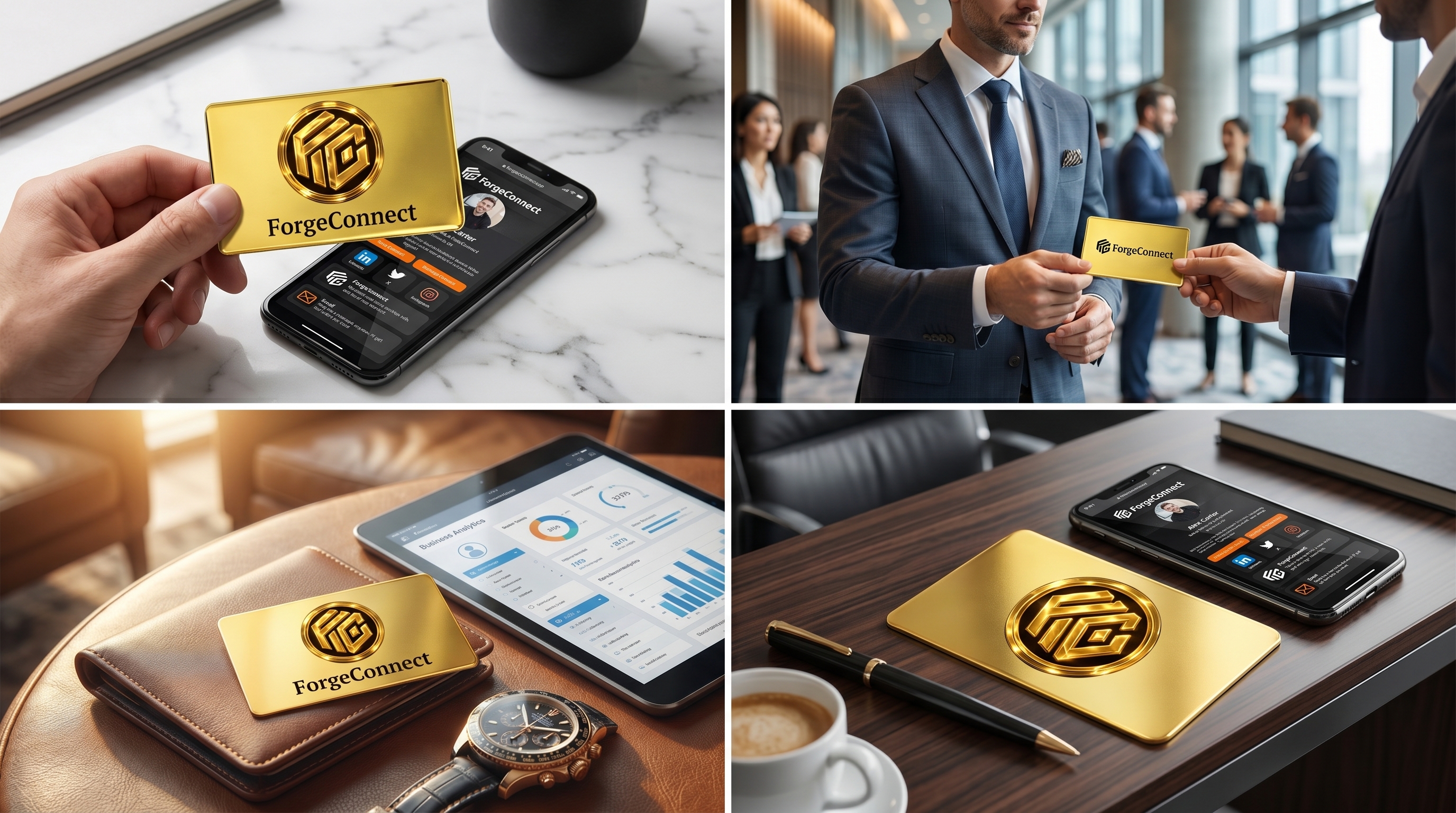
A single NFC metal business card. Starting at $30, it is editable forever through your online profile. Change your title? Log in, edit, save. Change companies? Same process. New phone number? Same. Moved offices? Same. You stop buying business cards because you already own one that never goes out of date.
The Viral Math on Lost Leads
The money you spend on reprints is not the biggest number. The bigger number is what you lose every time someone throws your card away. Let's say you hand out 500 paper cards per year. With a 3% follow-up rate, you might end up with 15 touched leads. With the same 500 taps from an NFC smart card and a modest 50% capture rate, you have 250 leads in your CRM. Multiply that by your average deal size and the lost-revenue number dwarfs the $200 to $280 you spent on reprints.
The Overlooked Compounding Effect
Here is the part nobody factors in: paper cards are single-use. You hand one out, it leaves your hand forever. Metal cards stay in your pocket. You use the same card at 200 conferences, a thousand coffees, and every client meeting for five years. One physical object. Thousands of taps. No reprints. And every tap feeds a live lead pipeline that updates your CRM in real time.
But What About the Tangible Handoff?
You still hand the card over. You still make the physical gesture — the one people actually remember. The only thing that changes is that instead of them pocketing a piece of paper they will throw away, they tap it against their phone, see your profile, and save your contact. The handshake stays. The waste goes.
The Bottom Line
Paper cards cost you every time your life changes. A metal NFC card costs you once. And because it captures leads into your CRM every time someone taps it — and sits in wallets instead of trash cans — it is not just cheaper than buying paper forever. It is the only option that actually pays you back.
Related Reading
Related Posts
Cheap Business Cards: The Real 5-Year Cost of $10 Paper vs $30 Metal
Cheap business cards look like a bargain at $10 a box. Run the 5-year math — including lost leads — and paper is the most expensive option you can buy.
Business GrowthThe Hidden Cost of Paper Business Cards Nobody Calculates
88% of paper business cards end up in the trash within a week. Here is the lost revenue math nobody runs — and why it dwarfs the printing costs.
Business GrowthPaper vs Metal Business Cards: The Brutal Math
Paper is cheaper per unit. Metal is cheaper per lead. Here is the side-by-side cost, lead-capture, and longevity math that ends the paper-versus-metal debate.