Cheap Business Cards: The Real 5-Year Cost of $10 Paper vs $30 Metal
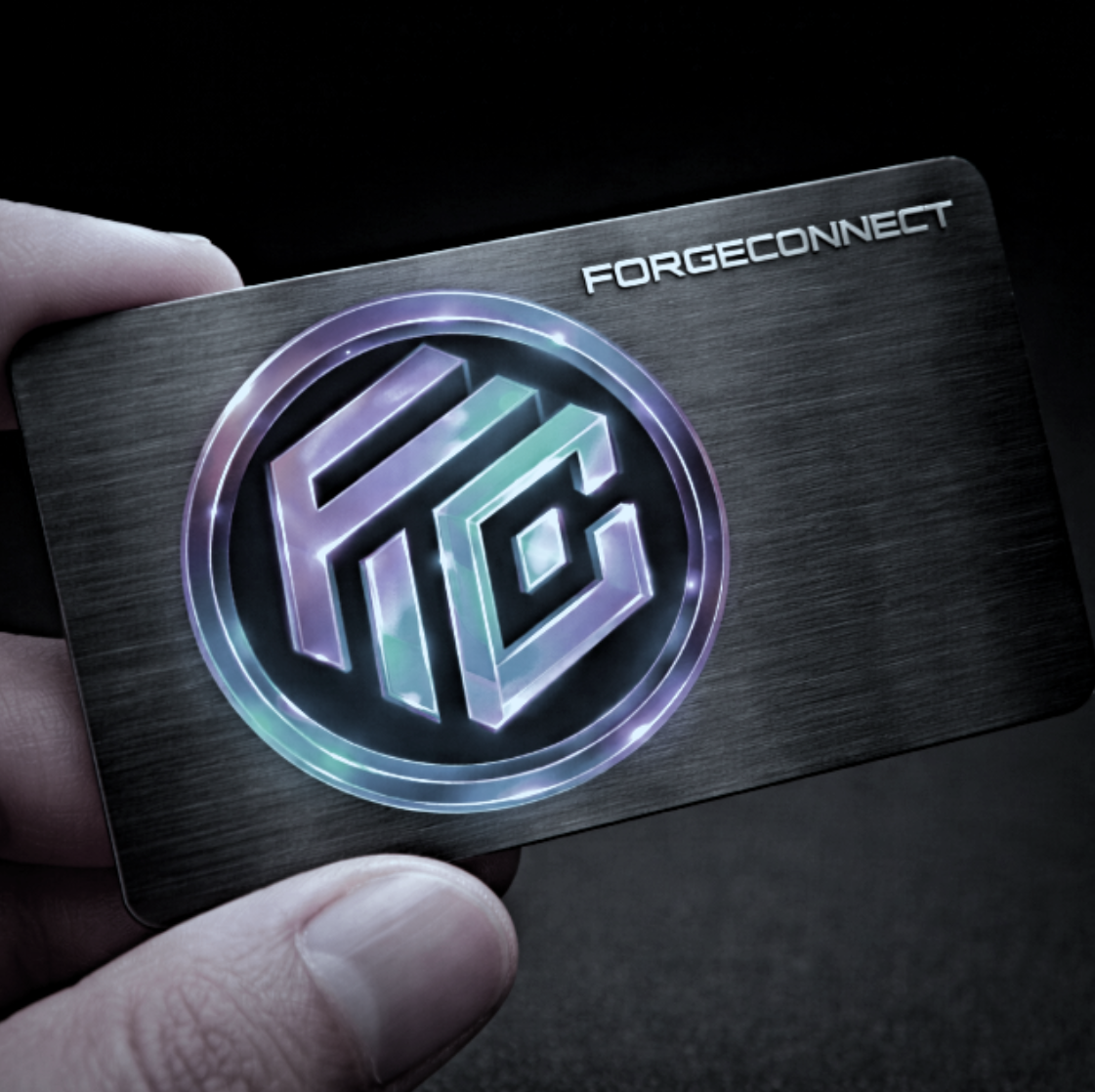
Walk into any print shop and you can buy 250 paper business cards for $10. It looks like a steal. But the people who treat business cards as a numbers game end up spending more over five years than the people who buy a single metal card — and they lose significantly more leads along the way.
The Sticker Price Is Not the Total Cost
Here is the thing about cheap business cards: the $10 you pay at the counter is only the beginning. You reprint them every time you change jobs, switch titles, move offices, update branding, get a new phone number, or run out. Most professionals go through a fresh box every 6 to 9 months.
Over five years, that is about 7 to 10 reprints. Call it $80 to $120 in printing fees, plus your time designing and ordering. Now factor in the fact that 88% of paper cards end up in the trash within a week, and the money you spent on printing is effectively funding the landfill.

The Hidden Cost: Lost Leads
Here is the number nobody puts on the invoice. If you hand out 100 paper business cards at a conference, roughly 3 people follow up. If you hand out 100 NFC taps with a ForgeConnect NFC card, all 100 recipients hit your digital profile and a configurable lead-capture prompt. Even if only half opt in, that is 50 leads in your CRM instead of 3. Run that math at your average deal size — most service businesses would rather have 50 warm leads than $10 in savings.
Run the 5-Year Math
Let's compare head-to-head on a conservative basis:
- Paper at $10 per box, 8 reprints over 5 years: $80 in printing, 3% follow-up rate, no CRM integration, no data, cards thrown out in a week.
- Metal NFC at $30 one time: $30 total over 5 years, editable forever, lead capture on every tap, cards kept in wallets.
The metal card costs less. It captures more leads. It looks better in the hand. It is the cheaper option by every real-world measure. Pair it with an automated follow-up engine like ForgeAutoBDC and each lead gets a personal first-touch within minutes of the tap.
The Revenue Math Is the Real Shock
Let's say your average deal is $500 and your close rate is 10%. Over 500 paper cards handed out in 5 years at a 3% response rate, you touch 15 leads and close 1.5 deals — about $750. Over the same 500 taps on a metal NFC card with 50% capture, you touch 250 leads and close 25 deals — about $12,500. One card. $30. Same effort. 16x more revenue.
Why People Still Buy Paper
Habit, mostly. The print shop has been there since 1985. The sticker shock of a $30 card feels worse than a $10 card, even when the $30 card is the objectively cheaper option over any meaningful timeframe. The professionals who have made the switch do not go back.
The Triple Lesson
Cheap business cards get thrown away and produce three lost leads for every hundred handed out. NFC cards capture leads into your CRM automatically, so you are not waiting on anyone to call. And because metal cards live in wallets instead of wastebaskets, they resurface for years — showing up at bars, meetings, and introductions long after the initial tap.
Related Reading
Related Posts
What's Cheaper Than Buying Business Cards Forever?
Reprinting paper business cards forever costs more than most people realize. Here is the math on the one-time purchase that ends the cycle.
Business GrowthThe Hidden Cost of Paper Business Cards Nobody Calculates
88% of paper business cards end up in the trash within a week. Here is the lost revenue math nobody runs — and why it dwarfs the printing costs.
Business GrowthPaper vs Metal Business Cards: The Brutal Math
Paper is cheaper per unit. Metal is cheaper per lead. Here is the side-by-side cost, lead-capture, and longevity math that ends the paper-versus-metal debate.