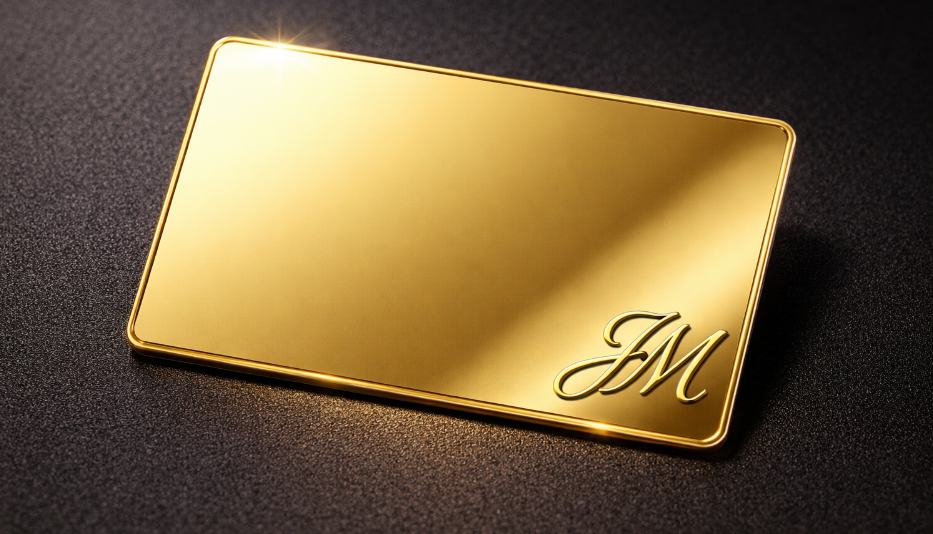
Here is a question nobody asks but everybody knows the answer to: why does a stainless steel business card end up in a wallet and a paper business card end up in a bin? It is not an accident. It is behavioral psychology — the same instinct that tells you to keep a premium watch case and throw away the box a toothbrush came in. Once you understand why it happens, you can also predict what happens to the card next: where it goes, who sees it, and how long it keeps working for you after the handoff.
The Disposal Instinct
Humans make disposal decisions quickly. The test is mostly unconscious: does this feel like it is worth keeping? Paper fails that test. It feels mass-produced, temporary, and replaceable. Metal passes the test without a second thought. It feels crafted, durable, and worth attention. That is not brand magic. That is physical perception.
The Weight Signal
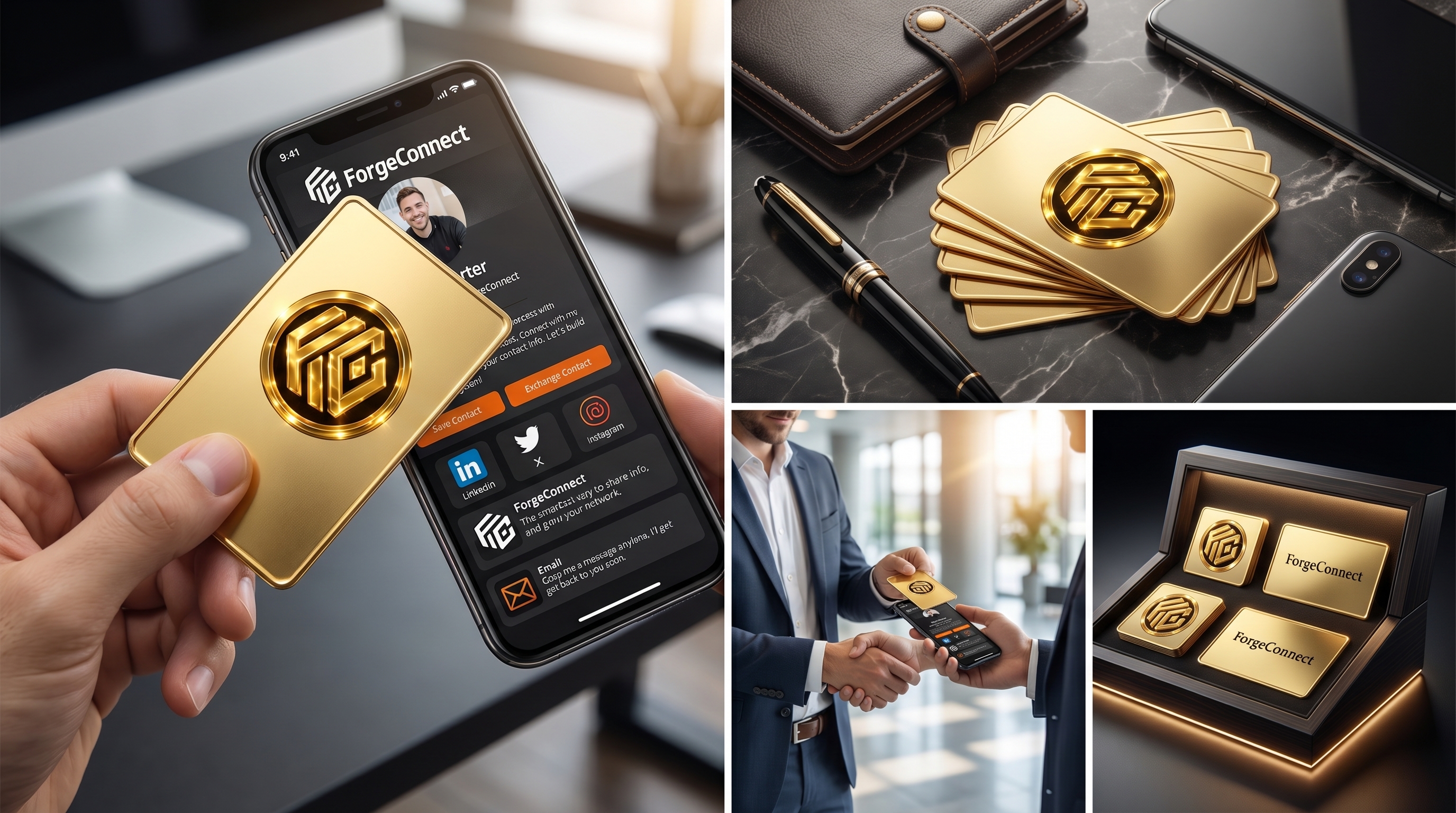
Weight is shorthand for quality. A heavier object feels more valuable, which is why premium watch brands, luxury pens, and high-end phones all cultivate physical heft. A metal business card applies the same psychology. When someone takes it from your hand and notices the weight, they are already categorizing it with things they keep — not things they trash.
The Social Display Instinct
People keep objects they would want to be seen holding. A metal card becomes part of the wallet aesthetic — a small status signal you pull out only deliberately. Paper, no matter how nice the stock, never triggers that instinct. You can confirm this in about thirty seconds: think about the last paper business card you posted a photo of. Now think about a metal one.
The Lifecycle of a Kept Card
Those three instincts do not stop working once the card survives the walk back to the car. They set off a chain reaction that plays out for years. Follow one card from the handoff onward and the timeline looks like this.
- Minute one, the reaction: the weight causes a visible pause. The recipient holds the card longer, turns it over, reads the back — a few extra seconds of attention nobody budgeted for, and the reason the exchange gets remembered at all.
- Hour one, the pocket: instead of getting folded into a jacket pocket with the receipts, it goes into a wallet. From that point on, it is traveling home with the person, already outlasting most of what got handed out at the same event.
- Day three, the accidental showing: someone notices a corner of the card in the wallet and asks about it. The recipient pulls it out and taps it on their phone, and a digital profile is suddenly on a screen in a room its owner was never in.
- Week two, the photograph: metal cards get photographed — for LinkedIn, for Instagram, for a post about the coolest business card someone saw that year. That is a free impression in front of an audience the recipient brought along, not one anyone paid to reach.
- Month one, the re-tap: the recipient needs the contact again, taps the card, and gets the current version of the profile — current number, current title, current email — because it was edited from a phone, not reprinted.
- Year one, the referral: the card gets passed to someone else with a line like "this person was excellent, call them." That introduction happens without its original owner doing anything at all.
- Year three, still working: a card handed out in 2023 is still on a desk or in a wallet in 2026 — still tappable, still linked to a current profile, still capable of putting a lead in front of its owner the next time it resurfaces.
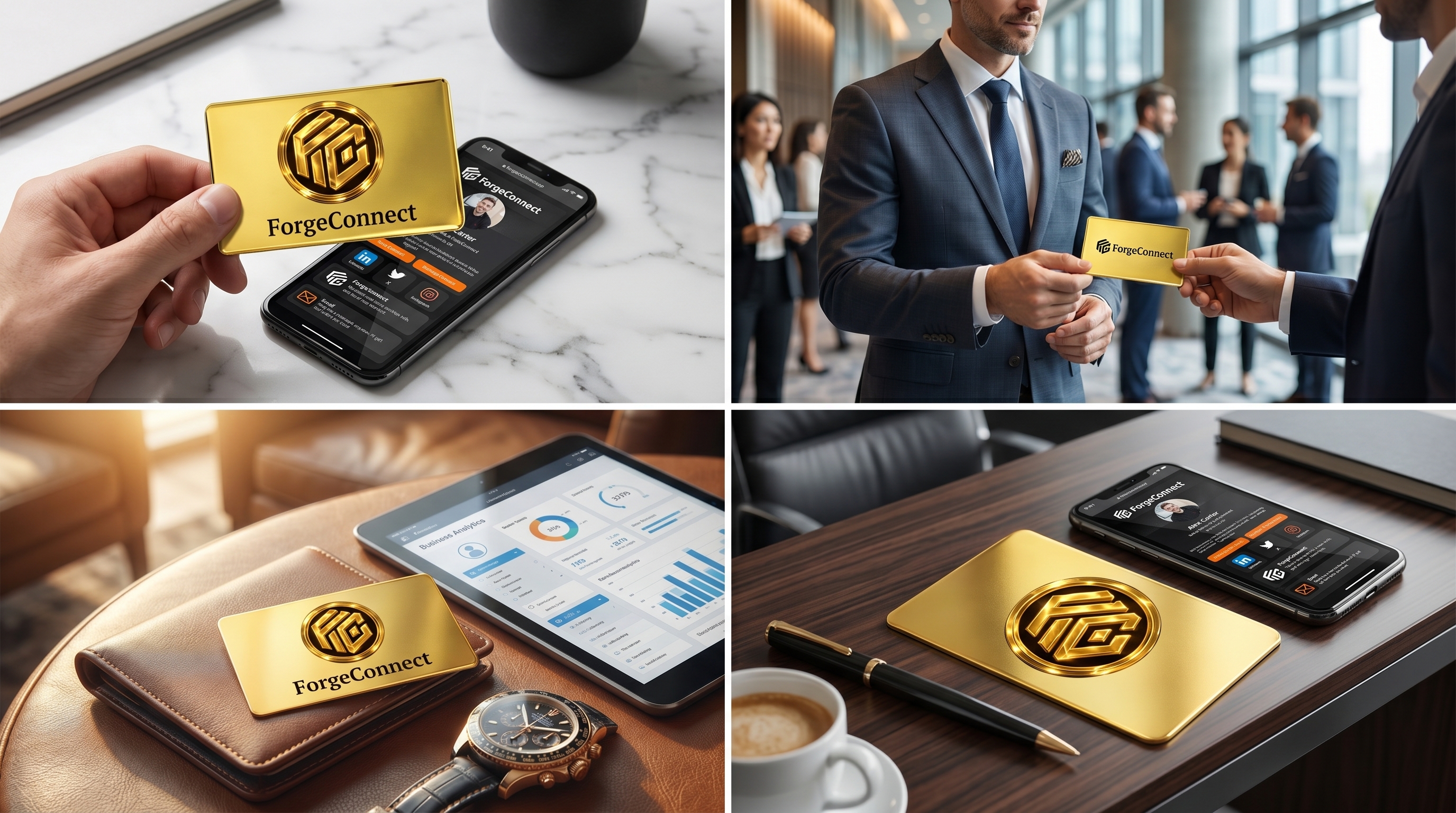
Paper cards do not have a lifecycle. They have a shelf life measured in days. Everything above is what the disposal instinct, the weight signal, and the social display instinct actually produce once the card leaves your hand.
Why That Matters for Your Business
The 88% trash rate of paper cards is the single most expensive number in networking. Every card thrown away is a lead you will never hear from. Metal cards short-circuit that failure mode entirely. If the recipient keeps the card, you keep the possibility of the relationship. Pair a ForgeConnect metal NFC card with an automated follow-up engine and that preserved possibility becomes a measurable pipeline metric.
The Compounding Effect Over Time
Paper cards are a one-week asset. Metal cards are a five-year asset. The longer the card sits in a wallet, the more value it produces: re-taps, photos, referrals, re-exposures. A metal card handed out at a conference in 2024 can still drive leads in 2027 — and it does, quietly, every time the recipient pulls it back out to show someone.
The Brand Cost of the Trash Bin
There is a reputational angle too. When your paper card gets thrown out, it does not stay neutral in the recipient's memory. It associates your brand with "mass-produced and forgettable." A metal card does the opposite. It associates you with "deliberate, premium, and worth remembering." That framing sticks, even when the recipient has no idea why.
What the Wallet Actually Represents
A wallet is curated real estate. Most people carry at most 4 to 6 cards at any time — IDs, credit cards, a loyalty or two, and increasingly an NFC business card they consider too interesting to leave at home. Earning that spot is one of the highest-value things you can do for your brand. You cannot buy that slot with paper. You have to earn it with an object worth carrying. See how the ForgeConnect NFC platform turns wallet-space into a lead-capture channel.
The Triple Story, Quickly
Metal cards do not end up in the trash — they end up in wallets. Every tap captures the recipient's info into your CRM so you are not waiting for them to reach out. And years later, when the card resurfaces at a bar or a client meeting, it starts working for you all over again.
Related Reading
Filed under Luxury & Premium
All articles