What Happens to a Metal Business Card After You Hand It Out
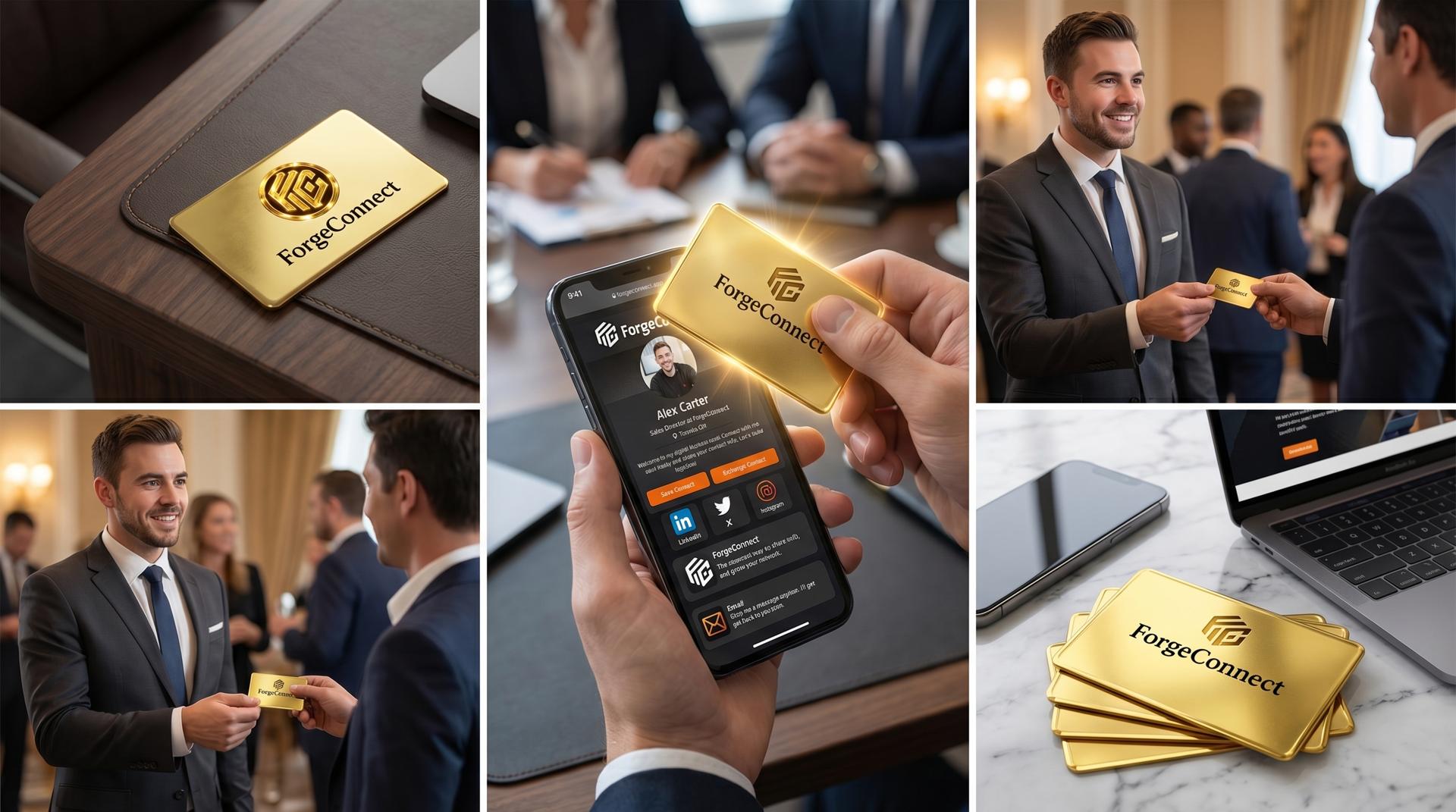
Follow a paper business card home after a networking event and it ends in the recycling bin by Friday. Follow a metal business card and it takes a very different journey. It lives in wallets. It gets photographed at bars. It gets shown to friends. It resurfaces months and even years later. This is the part of the business-card story that paper can never replicate.
Minute One: The Reaction
A metal card has weight. When someone receives it, there is a visible pause. They hold it longer. They turn it over. They read the back. This is the first benefit nobody puts on the feature list: you buy a few extra seconds of attention before the conversation resumes, and those seconds matter for memory.
Hour One: The Pocket
Most paper cards go into a bag and get crushed. A metal card almost always ends up in a wallet slot. Why? Because wallets are for things that feel worth keeping. A premium metal card sends that signal immediately. Once it is in the wallet, it travels home with the person, which is already more than 88% of paper cards manage.
Day Three: The Accidental Showing
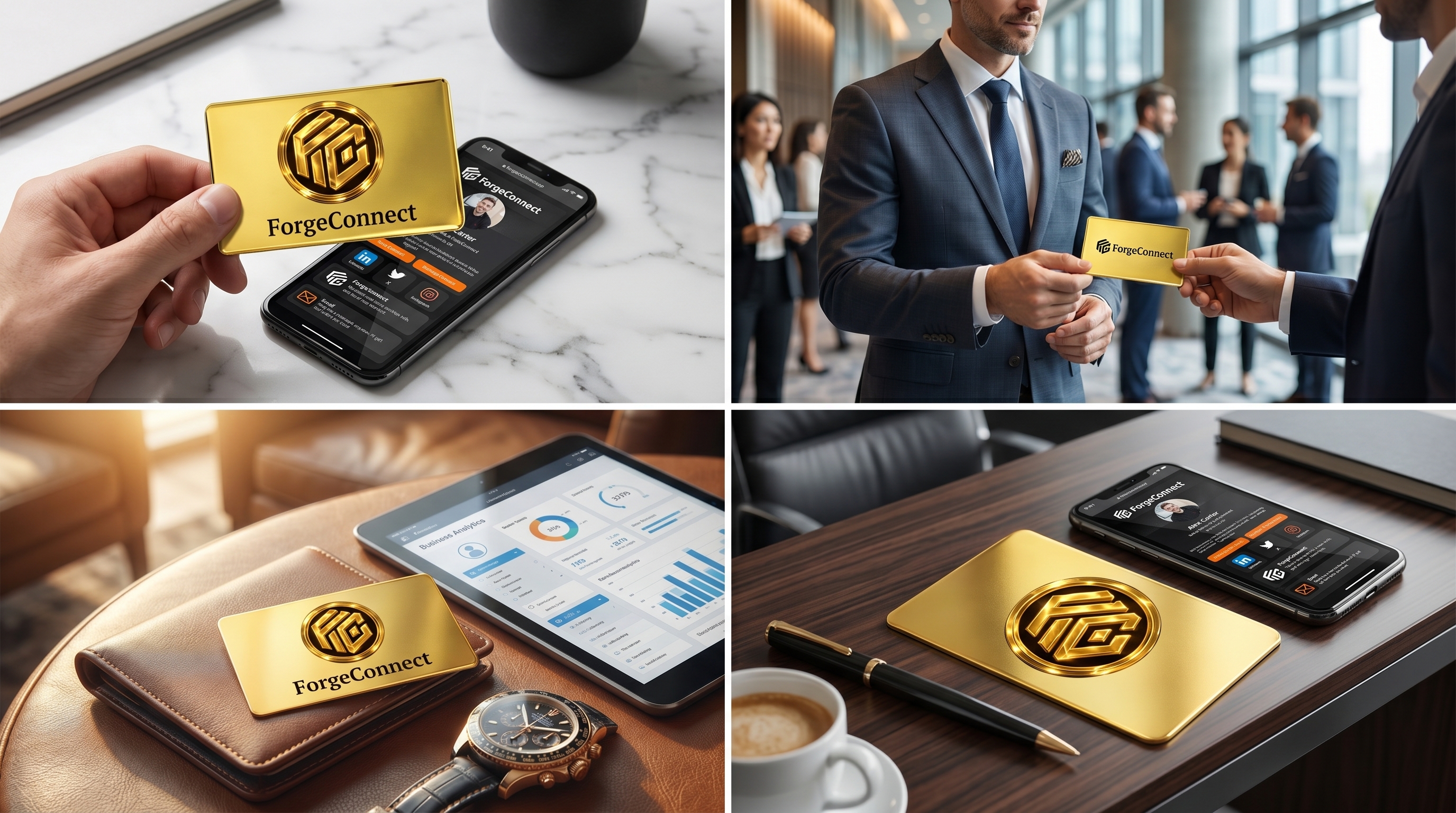
Someone at a dinner sees a corner of the metal card in the wallet. They ask about it. The recipient pulls it out, taps it on their phone, and suddenly your digital profile is on a screen in a restaurant you were not in. That happens constantly with metal cards and effectively never with paper.
Week Two: The Photograph
Metal cards get photographed. For LinkedIn. For Instagram. For a tweet about the coolest business card someone saw this year. That is organic marketing you did not pay for. The ForgeConnect gold and silver cards in particular end up in social feeds with surprising regularity. And each photograph is a free impression in front of an audience the recipient brought to you.
Month One: The Re-Tap
Months later, the recipient needs your contact. They pull the card, tap it again, and your profile loads — with any updates you have made in the interim. A paper card would have their old number, old title, and old email. Your metal card always has your current info, because you edit it from your phone. Learn how live editing works on the ForgeConnect NFC system page.
Year One: The Referral
This is the one people do not see coming. Metal cards get passed around. A lead finds the card in a drawer, hands it to a colleague, and says "this guy was excellent, call him." Your card has now generated a warm lead you did nothing for. That is the wallet multiplier: each metal card produces not one introduction but several, over years.
Year Three: Still Working
A metal card handed out in 2023 is still on someone's desk in 2026. Still tappable. Still linked to your current profile. Still routing leads into your CRM every time it comes out of the wallet. Paper cards have a half-life of days. Metal cards have a half-life of years.
The Compounding Benefit
Every metal card you hand out is a seed with a long flowering curve. It keeps producing leads, conversations, and referrals long after the initial moment. That is a very different kind of asset than a disposable piece of cardstock.
The Quiet Truth
Paper cards get thrown away. Metal cards stay in wallets — and every time one comes out, it taps into your CRM as a lead. You are not waiting for people to call. You already have them. That is the triple advantage of NFC metal: leads captured at the tap, the card never trashed, and the asset still marketing for you years later.
Related Reading
Related Posts
Are NFC Business Cards Good for Networking?
Are NFC business cards good for networking? Learn how smart business cards improve first impressions and follow-up.
NetworkingFrom First Tap to Long-Term Relationship: The New Networking Journey
Networking no longer ends at the handshake. NFC business cards turn every tap into a tracked, automated journey from first contact to lasting relationship.
NetworkingEvents, Trade Shows, and Networking Nights: Stop Letting Leads Slip Away
Most businesses leave events with a stack of paper cards and no system to follow up. NFC cards capture leads in real time so nothing gets lost.